Let our Morocco experts create your perfect itinerary your way
Book a trip Package.svg)
%20(2)%20(1).svg)
Moroccan handicrafts are living art, from intricate carpets and pottery to leather, lanterns, and silver jewelry. Discover Morocco’s artisanal heritage and cultural treasures.

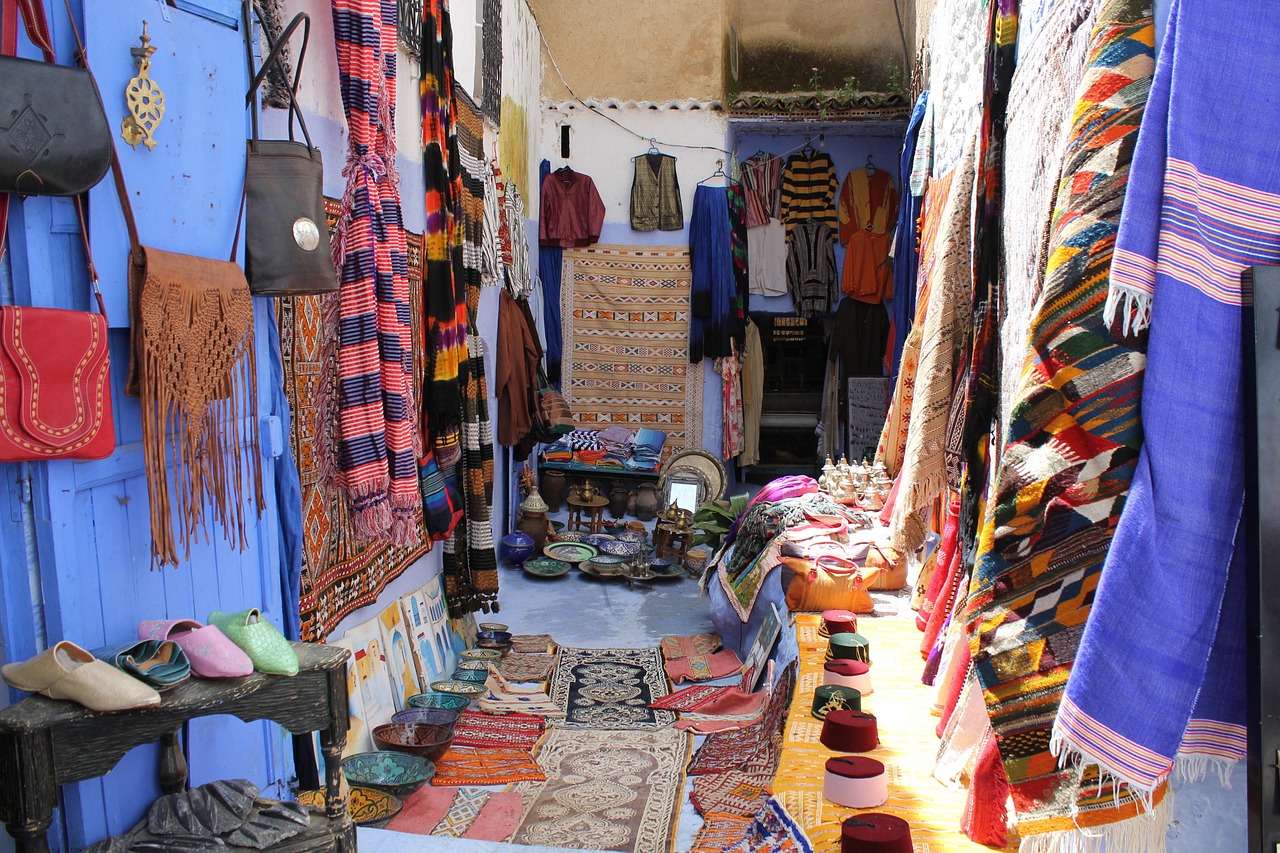
Morocco is a land of vibrant traditions and timeless artistry, where handicrafts are not just souvenirs but living expressions of culture. For centuries, Moroccan artisans have preserved and perfected skills passed down through generations, creating treasures that reflect the country’s rich history, diversity, and craftsmanship.
From colorful ceramics and intricate carpets to leatherwork and metal lanterns, Moroccan handicrafts are celebrated worldwide. Exploring the souks of Marrakech, Fes, or Chefchaouen feels like stepping into an open-air museum, where every stall tells a story of artistry and heritage.
Handwoven carpets are perhaps Morocco’s most famous handicraft. Made by Amazigh (Berber) women in villages across the Atlas Mountains, each rug is a tapestry of symbols and colors that carry cultural and spiritual meaning.
The Beni Ourain rugs, with their simple geometric designs, are highly sought after in contemporary homes, while colorful kilims from the Middle Atlas add warmth and authenticity. Visiting cooperatives allows travelers to see the weaving process firsthand and support local communities.
From the blue-and-white pottery of Fes to the vibrant green and yellow ceramics of Safran, Moroccan pottery reflects both utility and artistry. These hand-painted tiles, bowls, and tajines are created using centuries-old techniques that blend Andalusian and Arab influences.
In Fes, the art of zellige (geometric mosaic tilework) is particularly renowned, adorning mosques, fountains, and palaces across the country.
Leather craftsmanship in Morocco dates back to medieval times, with Fez’s Chouara Tannery being the most famous example. Visitors can watch artisans treat, dye, and craft leather using natural techniques and vegetable dyes.
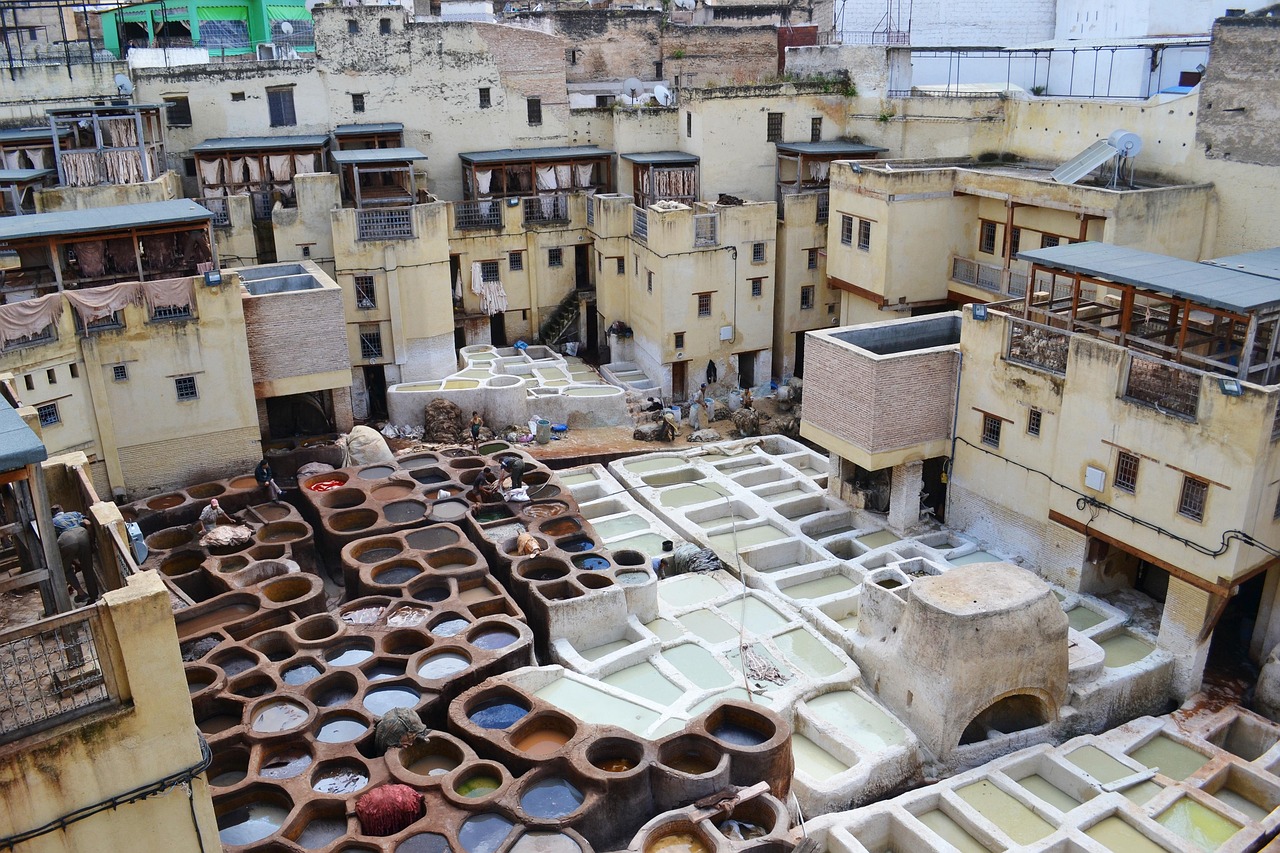
Moroccan leather goods include handbags, shoes, poufs, and belts, all known for their quality and durability. Marrakech also has a thriving leather market where travelers can shop directly from artisans.
Moroccan metalworkers are masters of detail, creating everything from brass tea trays to intricately pierced lanterns that cast magical patterns of light. In cities like Marrakech and Fez, souks are filled with artisans hammering away to produce mirrors, teapots, and jewelry.
These handcrafted lanterns and metal objects bring a touch of Morocco’s elegance to homes around the world.
Wood carving and inlay work are other refined Moroccan arts. Artisans use cedar, thuya, and lemon wood to create ornate doors, furniture, and decorative boxes. Thuya wood, in particular, is prized for its fragrance and deep grain, most commonly found in the Essaouira region.
Some pieces are adorned with mother-of-pearl or bone inlays, turning everyday objects into works of art.
Beyond rugs, Moroccan textiles include beautifully embroidered caftans, scarves, and cushions. Each region has its own embroidery style, from Fez’s delicate silks to Rabat’s vibrant threadwork. These pieces often carry cultural significance and are worn during weddings, festivals, and special ceremonies.
Moroccan jewelry, especially Amazigh designs, is bold and symbolic. Crafted mainly in silver and adorned with semi-precious stones, coral, and amber, these pieces often represent protection and fertility. Travelers can find them in rural markets or specialized shops in Fez and Marrakech.
While modernization has impacted traditional crafts, initiatives and cooperatives across Morocco are working to preserve these ancient skills. Purchasing directly from artisans not only guarantees authenticity but also helps sustain communities and keep these traditions alive.
Handicrafts are more than beautiful objects — they are Morocco’s cultural soul. Bringing them home means carrying a piece of Moroccan history and artistry.
The art of Moroccan handicrafts is a journey through the country’s history, culture, and creativity. Whether it’s a handwoven carpet, a ceramic bowl, or a silver necklace, each piece embodies centuries of knowledge and tradition. Exploring Morocco’s handicrafts is not just shopping — it’s a cultural experience that connects you to the heart of Moroccan identity.
Whether you're dreaming of camel trekking through the Sahara Desert, wandering the blue streets of Chefchaouen, discovering Morocco's imperial cities, or creating a fully customized itinerary, Sahara Atlas Tours is here to help you plan the perfect journey.
Travel Inspiration & Expert Morocco Guides
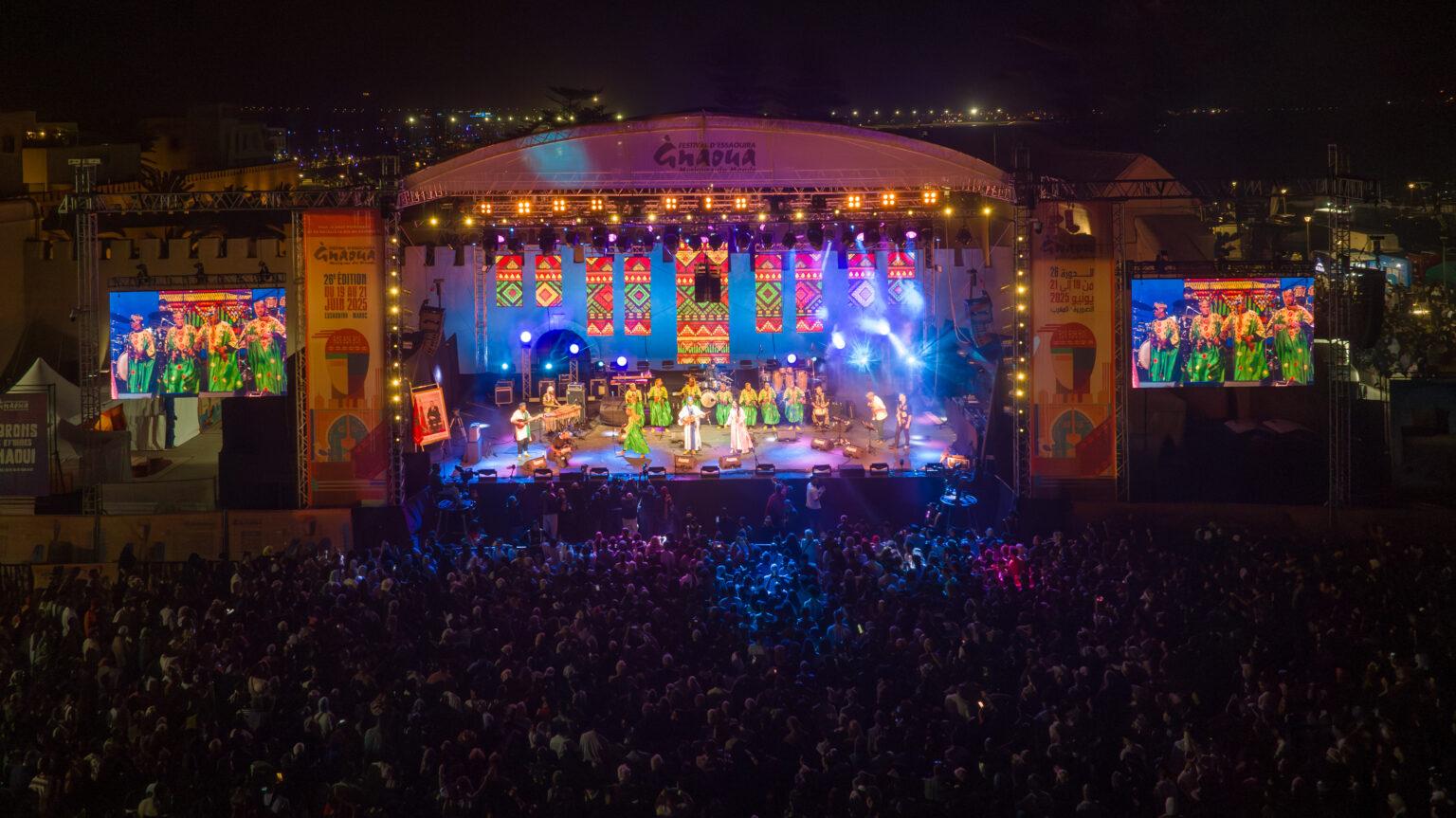
Morocco celebrates life through colorful festivals, from sacred Ramadan to lively music and cultural gatherings. Explore Morocco’s most famous festivals and traditions.
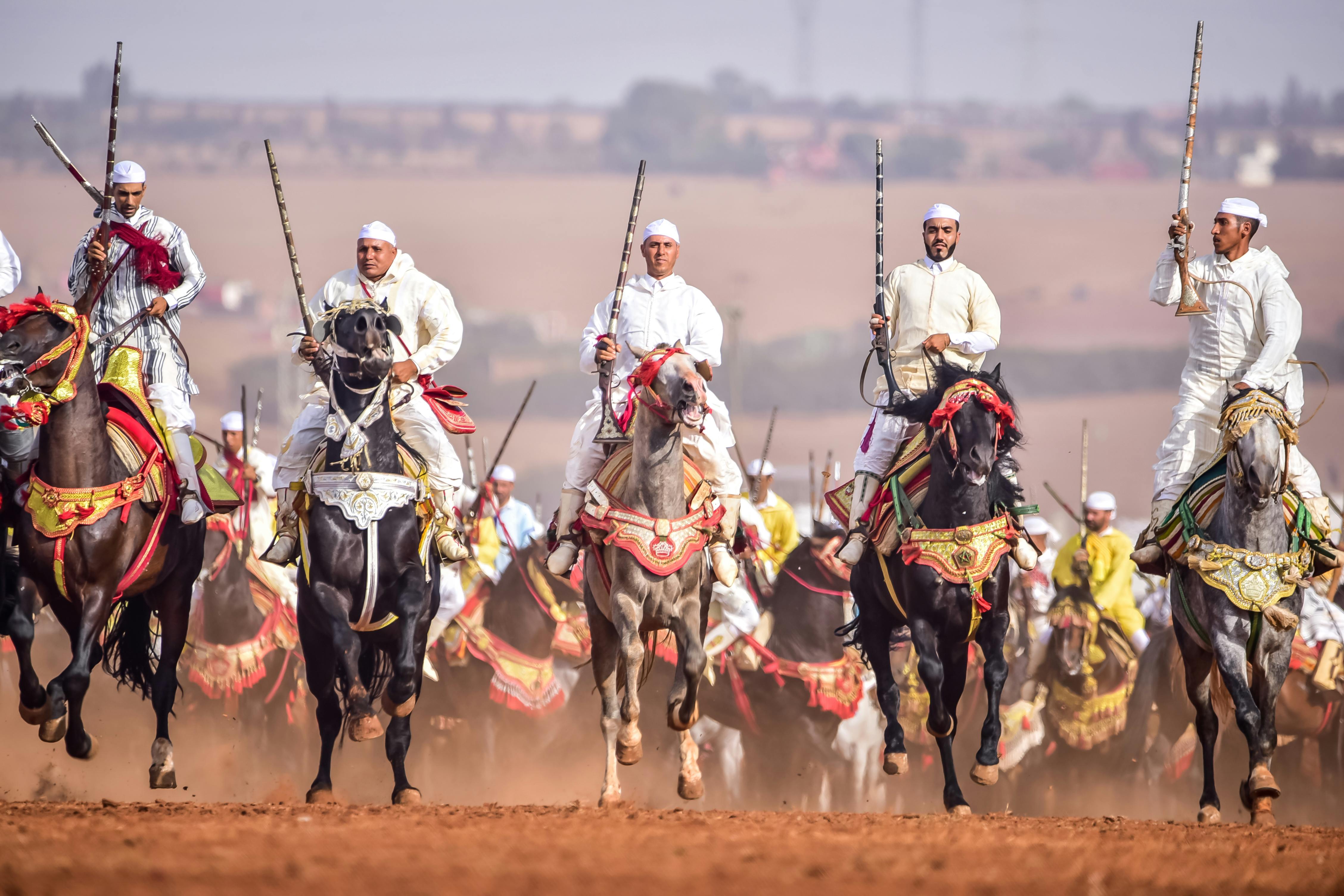
Morocco’s rich culture, from Berber traditions and Moroccan cuisine to music, festivals, and crafts. Explore the vibrant heritage of cities, mountains, and the Sahara with Sahara Atlas Tours.
.jpeg)
Discover the best time to visit Morocco. Learn about weather by season, travel tips, and top experiences from Sahara Atlas Tours.

Discover Atlas Mountain treks in Morocco. From Mount Toubkal climbs to Dades Valley hikes, explore the High Atlas with Sahara Atlas Tours.
Sahara Atlas Tours is a leading Morocco travel agency specializing in private Morocco tours, Sahara Desert adventures, luxury holidays, cultural journeys, family vacations, and tailor-made travel experiences.